01
Project Overview
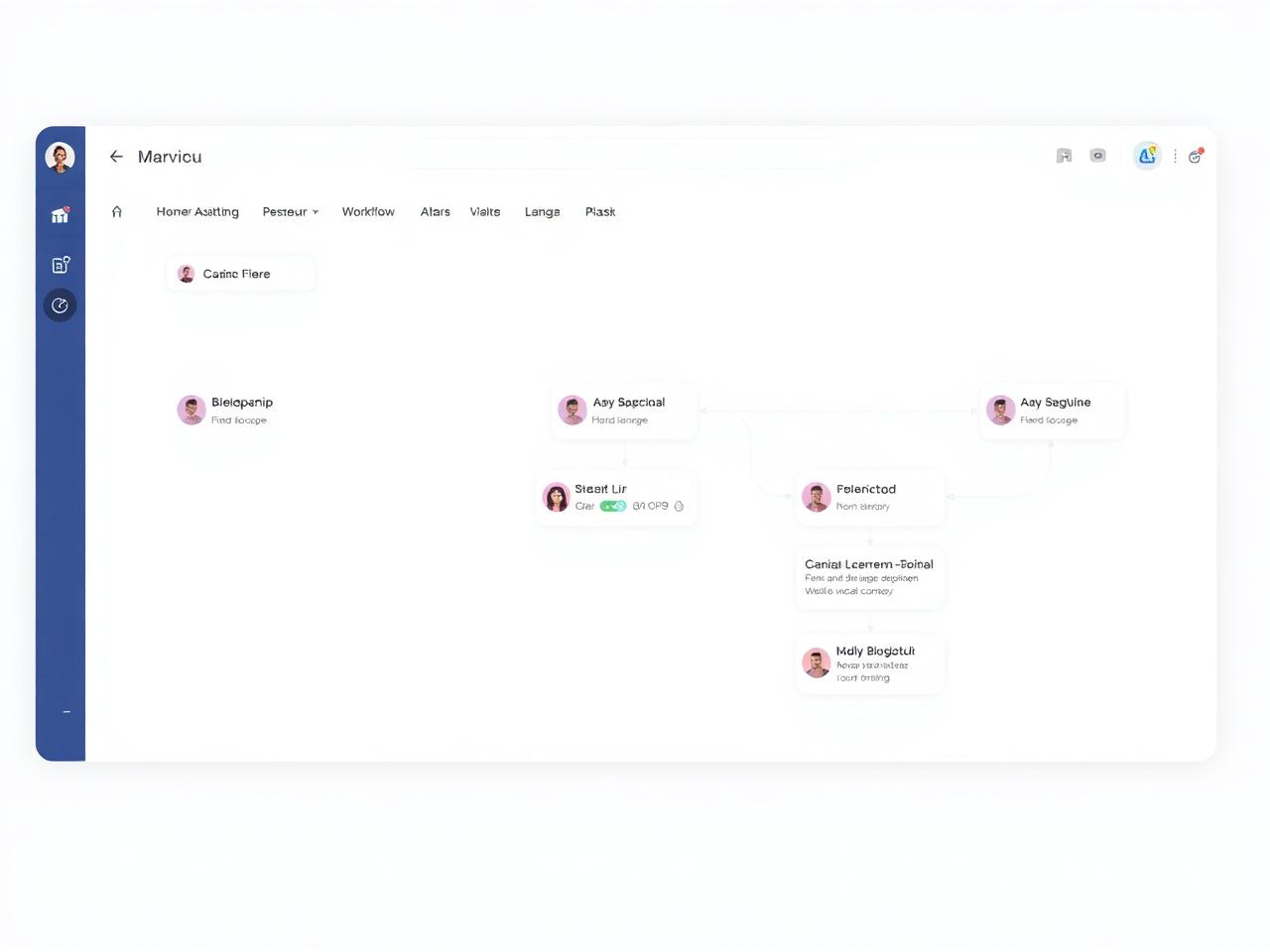
The Competence Tool is an AI-supported product that helps people clarify and develop their competencies. It turns an abstract, hard-to-start reflection process into a guided digital experience that adapts to the individual.
The business goal was to offer a scalable, high-quality way to support competence clarification — where an AI assistant could carry some of the facilitation that would otherwise depend entirely on a human advisor.
The users are candidates and advisors who need to make sense of skills, experience and direction. For them, the challenge is that competence work is open-ended: it's hard to know where to begin and easy to feel overwhelmed.
02
My Role
I owned the end-to-end UX design of the whole product — from information architecture and interaction design through prototyping to UX specifications and handover to development.
I designed the AI chat and AI assistant, defined the navigation structure, and designed the mobile and responsive experiences. I also facilitated workshops with internal and external stakeholders to align on scope and direction.
- Discipline
- End-to-end UX & product design, AI interaction design
- Deliverables
- IA, Figma prototypes, UX specs & handover, AI test framework
- Team
- Product, developers, internal & external stakeholders
03
Discovery & Research
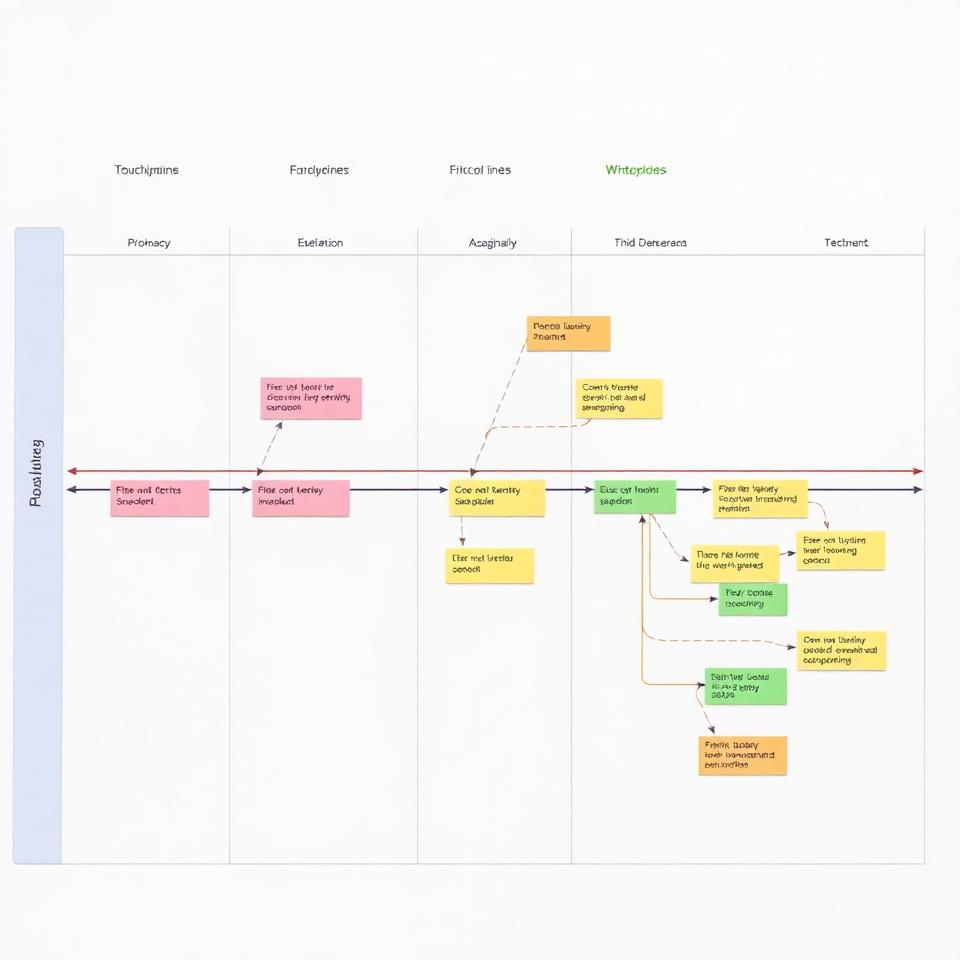
I facilitated workshops with internal and external stakeholders to understand the competence-clarification process and where it broke down for users.
I planned and ran user tests across the Nordics, then analysed the results and translated them into concrete design improvements — closing the loop between research and design rather than treating testing as a final checkpoint.

04
Defining the Opportunity
The core opportunity was to use AI as a system element that guides users through competence clarification — surfacing the right prompt at the right moment — while keeping the person in control of their own reflection.
That framed a clear set of needs: users needed structure and momentum without feeling boxed in; the business needed a validated, shippable MVP; and the AI needed to be trustworthy and testable, not a black box.
- User need
- Guided structure without losing personal ownership
- Business need
- A validated, scalable MVP
- Success criteria
- Usable AI flow validated with real users
05
Ideation & Design Process
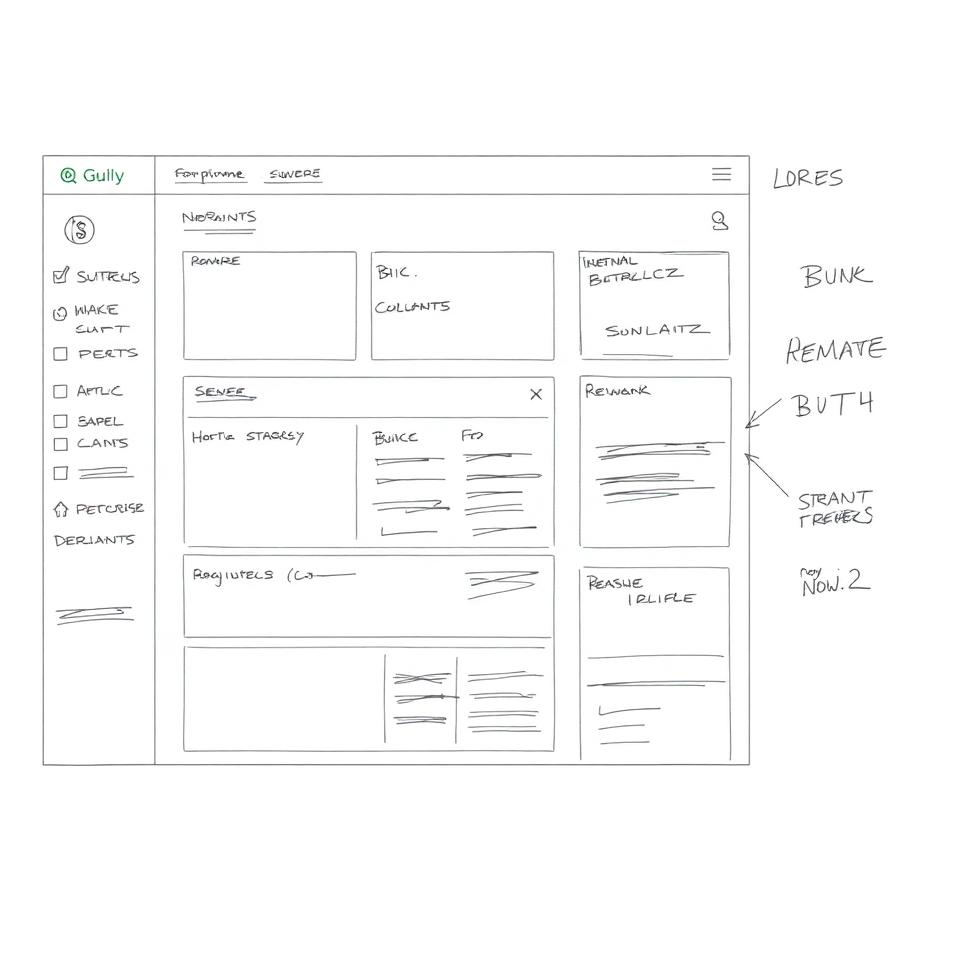
I built the information architecture and navigation structure first, then designed the AI chat and assistant interactions around it, prototyping in Figma so flows could be tested before build.
I prioritised the scope with an MVP and Must/Should/Could framework, and designed responsive, mobile-first experiences so the tool worked wherever people picked it up. Design decisions were validated iteratively through the Nordic user tests.
06
Collaboration
I worked closely with developers on the AI functionality, translating the experience into UX specifications and a clear handover so the design intent survived implementation.
I facilitated alignment between internal teams and external stakeholders, and used MVP and Must/Should/Could prioritisation to help the cross-functional team agree on what to build first.
07
Solution
The result is an AI-supported competence tool with a conversational assistant, a clear information architecture, and responsive flows that guide users through clarification and development.
Key features include the AI chat/assistant, structured competence workflows, and a design built for handover — supported by a dedicated test framework for validating the AI functionality.
- AI assistant
- Conversational guidance through competence work
- Structure
- IA and navigation designed for clarity
- Responsive
- Mobile-first, works across devices
08
Impact
The design was validated with real users across the Nordics and moved from concept to a prioritised, shippable MVP with UX specifications handed over to development.
For users, the tool turns an intimidating, open-ended task into a guided experience. For the business, it demonstrates a scalable, testable way to bring AI into a sensitive human process without losing user trust.
- Validation
- User-tested across the Nordics
- Delivery
- Prioritised MVP, specs handed to dev
- AI trust
- Test framework for AI functionality
09
Reflection
What worked well: treating AI as a system element and building a test framework for it meant the AI could be validated and improved like any other part of the experience, not left to chance.
The main challenge was balancing AI assistance with the user's control and transparency — a tension I kept returning to throughout the design. Future improvements would deepen the personalisation of the AI guidance based on continued testing.