01
Project Overview
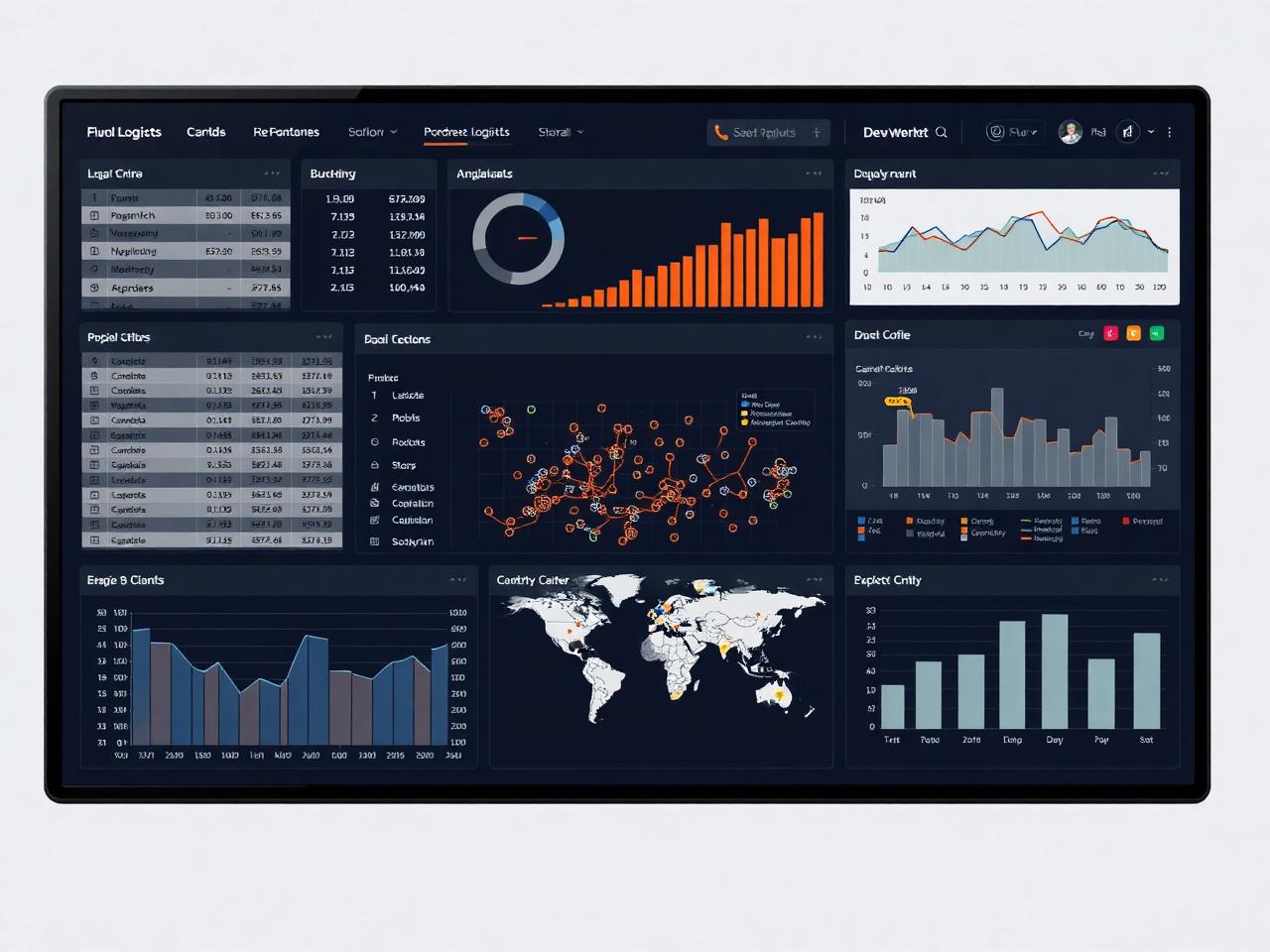
Career Canvas is a platform for career clarification and competence profiling. It helps people build a picture of who they are, what they can do, and where they want to go — then supports that reflection with AI.
The business challenge was to make career clarification more structured and scalable while keeping it personal and credible.
Users are people working through career direction and competence profiling — a task that is deeply personal and easy to avoid without the right structure and prompts.
02
My Role
I led the discovery and concept design: running a Jobs-to-be-Done analysis, mapping user needs and user journeys, and designing AI-supported workflows.
I developed the concepts for profiles, overview and output, and made the interaction decisions around how much the AI should do versus how much the user should control.
- Discipline
- Product discovery, UX & AI interaction design
- Methods
- Jobs-to-be-Done, journey mapping, concept design
- Focus
- AI assistance vs. user control & transparency
03
Discovery & Research
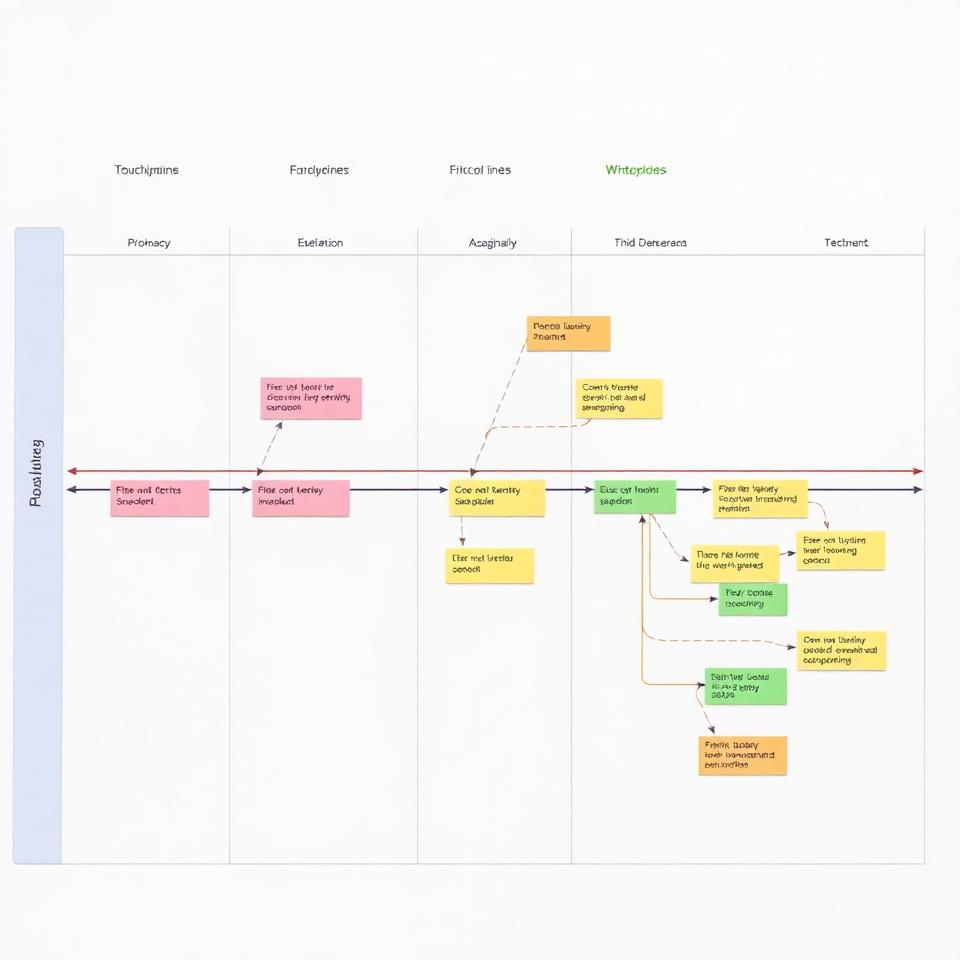
I used a Jobs-to-be-Done analysis to understand what people are really trying to accomplish when they clarify their careers — the underlying progress they want to make, not just the features they ask for.
I mapped user needs and user journeys to locate the moments where people get stuck, and where AI support could add the most value.
04
Defining the Opportunity
The JTBD work and journey mapping pointed to a clear opportunity: use AI to accelerate reflection and profiling while keeping the process transparent and firmly in the user's hands.
Users needed help making progress without feeling that a machine had decided their direction for them. The business needed a differentiated, credible product. Success meant AI workflows people actually trusted and used.
- User need
- Momentum with transparency and control
- Business need
- A credible, differentiated platform
- Success criteria
- Trusted, adopted AI workflows
05
Ideation & Design Process
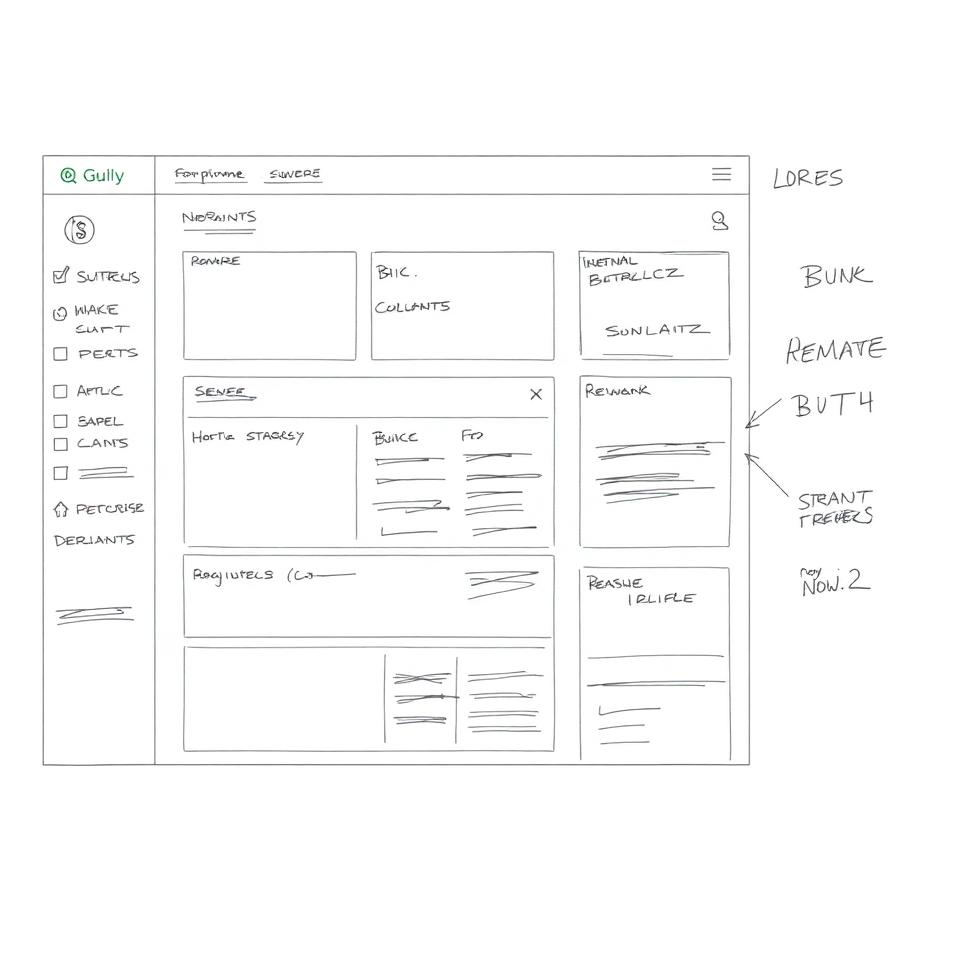
I concepted the profiles, overview and output views, and designed AI-supported workflows around the journeys uncovered in discovery.
A central design decision ran through every flow: where to apply AI assistance and how to keep the user in control — always pairing automation with visible reasoning and clear off-ramps so people could adjust or override.
06
Collaboration
I worked across a cross-functional team, translating discovery insights into concepts the business and development could rally around.
The AI-assistance-versus-control question was a shared, cross-functional decision — I framed the trade-offs so product and engineering could weigh them together rather than treating it as a design-only call.
07
Solution
The solution is a career-clarification platform built around clear profiles, an overview that ties them together, and meaningful output — accelerated by AI-supported workflows.
The UX rationale is consistent throughout: AI does the heavy lifting where it helps, but the user always sees what's happening and stays in control of their own story.
- Profiles
- Structured competence profiling
- AI workflows
- Assistance with transparency
- Output
- Clear, usable results for the user
08
Impact
For users, Career Canvas turns a vague, avoidable task into a structured, supported journey they can trust.
For the business, the concept demonstrates a responsible way to bring AI into a personal domain — a differentiator grounded in genuine user needs rather than novelty.
09
Reflection
What worked well: starting from Jobs-to-be-Done kept the AI in service of real user goals instead of leading the design.
The ongoing challenge was calibrating AI assistance against transparency and control. Future improvements would validate those workflows with more users and refine where the balance should sit for different tasks.